Artificial intelligence is no longer confined to offices, research laboratories or large technology companies. It has quietly become part of everyday life, influencing the way people shop, communicate, travel, learn and manage their homes. In many cases, people use AI-powered services every day without even realising it.
Voice assistants answer questions, navigation apps avoid traffic, streaming services recommend films and music, while online retailers personalise shopping experiences. These small conveniences are gradually changing expectations, making technology more intuitive and responsive than ever before.
As AI continues to develop, its influence is expanding beyond business and into almost every aspect of modern living.
Smarter Homes and Connected Living
One of the most visible applications of AI is within the modern home.
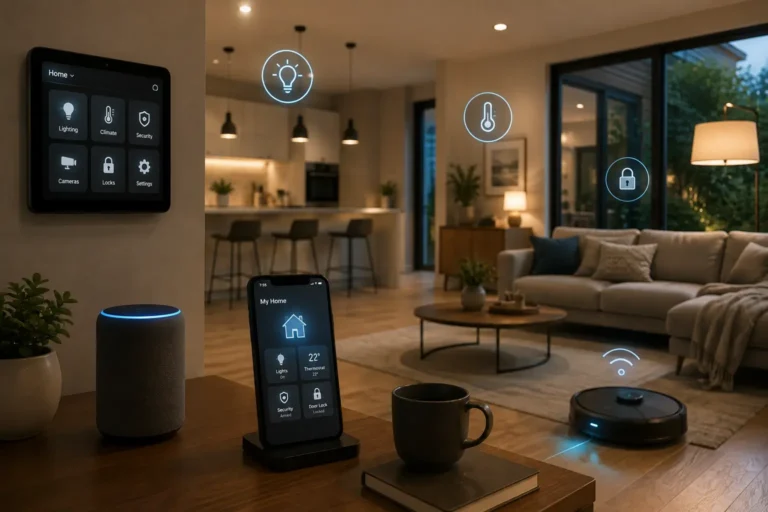
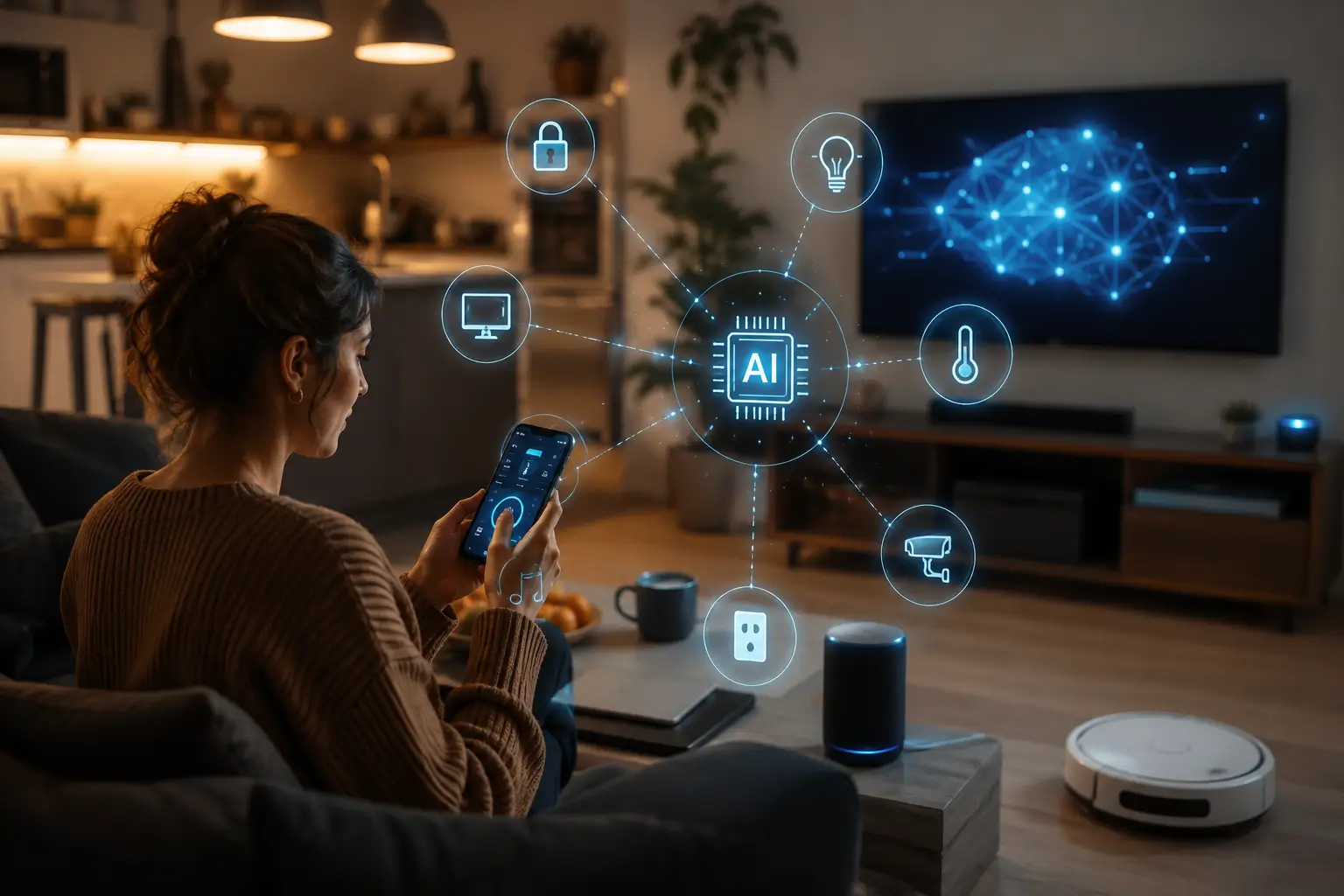
Heating systems learn household routines, security cameras recognise unusual activity and lighting adjusts automatically depending on occupancy and time of day.
These innovations build naturally on smart home technology making everyday living easier , creating homes that are more efficient, comfortable and secure.
As devices become increasingly interconnected, homeowners can manage multiple systems from a single smartphone or voice assistant.
Healthcare and Personal Wellbeing
Healthcare is also benefiting from artificial intelligence.
Fitness trackers monitor heart rates, sleep quality and activity levels, while medical researchers use AI to identify disease patterns and improve diagnosis.
Digital assistants help people remember medication schedules, book appointments and access reliable health information more quickly.
Although human healthcare professionals remain essential, AI is becoming a valuable tool that supports better patient care.
Learning and Education
Education is becoming increasingly personalised through AI.
Students can access adaptive learning platforms that adjust lessons according to individual progress, helping learners develop skills at their own pace.
Teachers also benefit from automated marking, lesson planning assistance and improved educational resources, allowing them to spend more time supporting students directly.
Everyday Shopping and Travel
Artificial intelligence now shapes many purchasing decisions.
Retailers recommend products based on browsing habits, while supermarkets improve stock management using demand forecasting.
Navigation apps continuously analyse traffic conditions to recommend faster routes, helping commuters and holidaymakers save both time and fuel.
Many people planning UK staycations already rely on AI-powered travel recommendations, accommodation suggestions and live route planning to make journeys smoother.
A Technology That Should Support People
The future of AI is likely to be defined by balance.
The most successful applications will continue removing repetitive tasks while allowing people to focus on creativity, relationships and meaningful experiences.
Rather than replacing human decision-making, artificial intelligence should enhance it.
As technology continues evolving, understanding how AI fits into everyday life will become increasingly important for individuals, families and businesses alike.
The modern world is becoming more connected every year, and AI will undoubtedly play a central role in shaping how people live, work and interact in the decades ahead.