Smart home technology has moved well beyond being a luxury for technology enthusiasts. What was once considered futuristic is now becoming an everyday part of modern living, with connected devices helping homeowners save time, reduce energy costs and improve security.
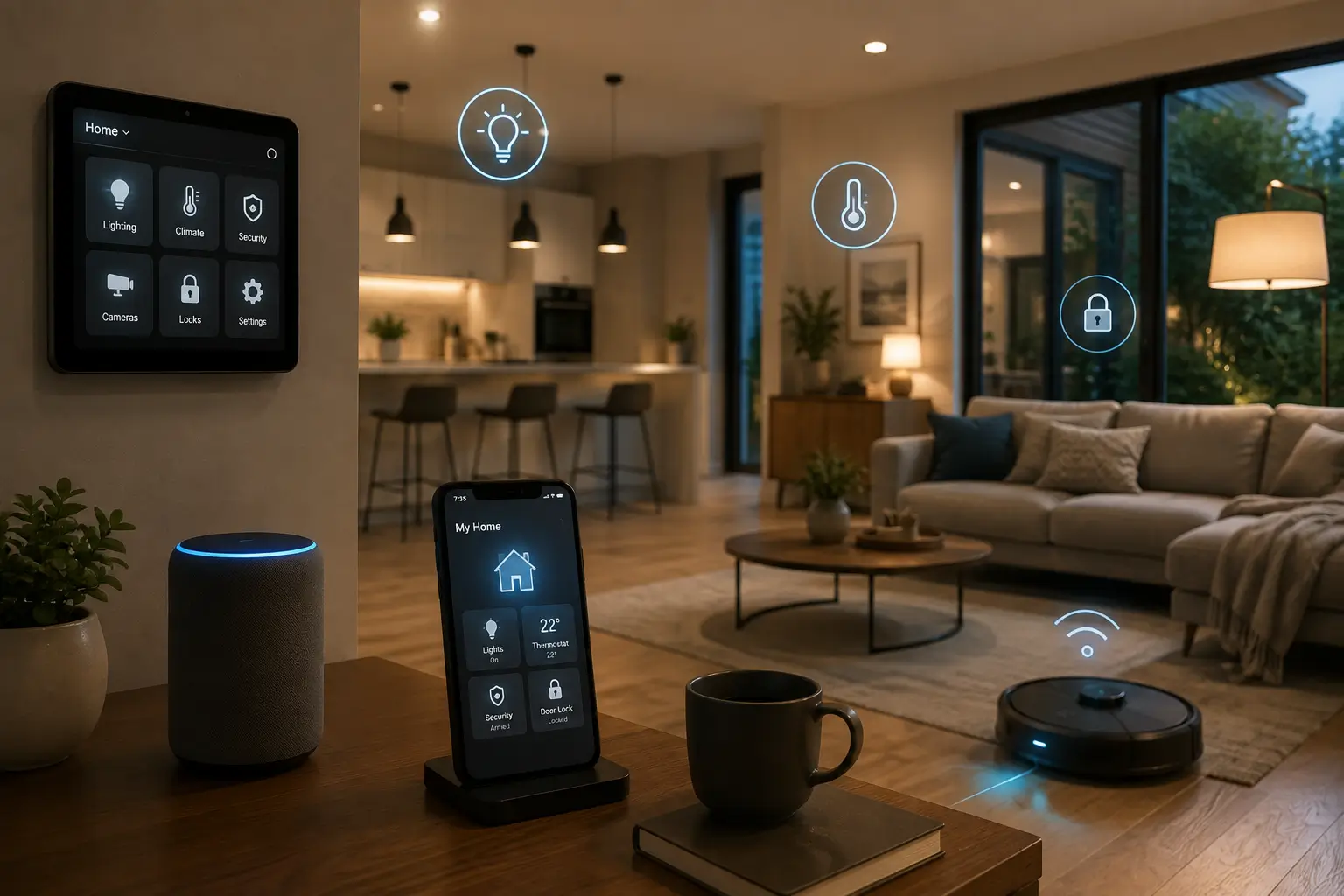
From voice-controlled lighting and heating to intelligent security cameras and automated appliances, today’s smart homes are designed to make life simpler without requiring complicated technical knowledge. Many systems can now be installed in existing properties, making them accessible to households of every size and budget.
As technology becomes more affordable and reliable, homeowners are increasingly discovering that smart devices can improve comfort while reducing household running costs.
Saving Energy Without Sacrificing Comfort
Energy efficiency is one of the biggest reasons people invest in smart technology.
Smart thermostats automatically learn household routines, adjusting heating only when required. Intelligent lighting systems switch off automatically when rooms are empty, while smart plugs help eliminate unnecessary standby power consumption.
Many of these upgrades complement home improvement projects that increase comfort and property value , allowing homeowners to modernise their properties while reducing long-term costs.
Combined with energy monitoring apps, these systems provide valuable insights into household electricity usage.
Better Home Security
Security technology has improved dramatically in recent years.
Video doorbells, wireless cameras, smart alarms and remote door locks allow homeowners to monitor their property from almost anywhere using a smartphone.
Motion detection, instant notifications and cloud recording provide additional peace of mind whether homeowners are at work or travelling.
These systems are particularly valuable for people who regularly enjoy UK staycations and short breaks , allowing them to check on their property while away.
Convenience Through Automation
Automation is making everyday routines far simpler.
Morning routines can automatically open blinds, switch on lights and adjust room temperatures before homeowners even leave bed.
Voice assistants allow users to control entertainment systems, shopping lists and household reminders without lifting a finger.
Many households now combine multiple devices into a single connected ecosystem, reducing manual tasks throughout the day.
The Future of Connected Living
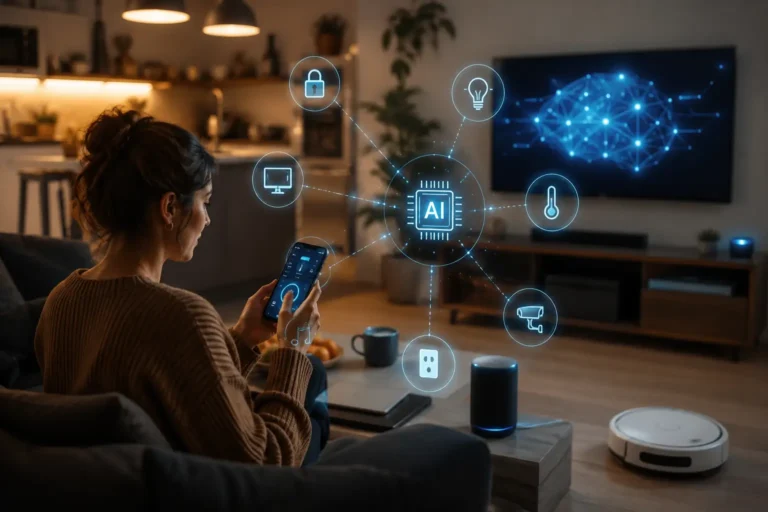
Artificial intelligence is beginning to make smart homes even more intelligent.
Systems can already learn family routines, optimise heating schedules and suggest ways to reduce energy consumption.
Future developments are expected to improve health monitoring, predictive maintenance and personalised automation even further.
Rather than replacing people, smart homes quietly remove repetitive tasks while allowing homeowners to spend more time enjoying their living spaces.
Technology That Works in the Background
The best smart technology often goes unnoticed.
Rather than constantly demanding attention, connected systems work quietly in the background, improving comfort, security and efficiency without interrupting daily life.
As prices continue to fall and new products become easier to install, smart homes are likely to become the standard rather than the exception.
For homeowners looking to future-proof their property, investing in connected technology is becoming one of the most practical improvements available.