Home improvement doesn’t always mean knocking down walls, building expensive extensions or completely redesigning every room. In fact, many of the upgrades that make the biggest difference to everyday living are surprisingly affordable and can often be completed over a few weekends.
As property prices continue to fluctuate and homeowners become more conscious of household budgets, many people are looking for ways to improve the homes they already have rather than moving elsewhere. Small, well-planned improvements can make a property feel larger, brighter and more enjoyable while potentially increasing its appeal to future buyers.
The secret is knowing where to invest both time and money. Some improvements deliver immediate visual impact, while others quietly reduce running costs or improve comfort for years to come. When combined, these changes create a home that feels modern, practical and better suited to today’s lifestyles.
Whether you own a detached house, a terraced property or a modern apartment, there are plenty of projects that offer excellent value without requiring a huge financial commitment.
Refresh Walls, Floors and Lighting
One of the quickest ways to transform any room is by updating the finishes that people notice first.
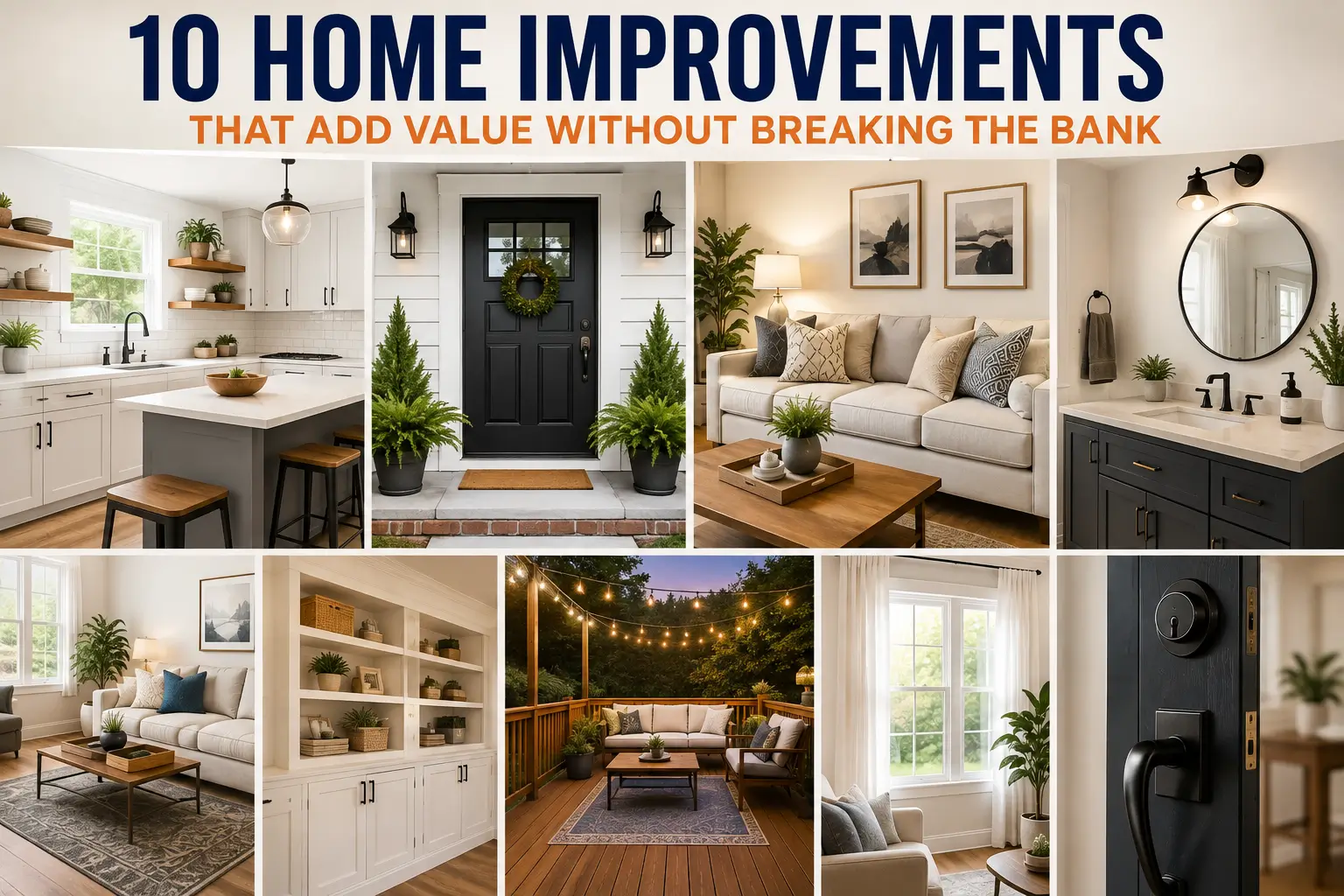
Fresh paint in neutral shades immediately brightens tired spaces while making rooms appear larger and cleaner. Modern colours such as soft greys, warm whites and muted greens remain popular because they complement almost every style of furniture.
Flooring has an equally dramatic impact. Replacing worn carpets, repairing damaged wooden floors or installing quality laminate can instantly modernise a room without requiring structural alterations.
Lighting is another area often overlooked. Swapping outdated fittings for contemporary LED lighting improves both appearance and energy efficiency. Layering ceiling lights with table lamps and wall lighting also creates a warmer, more welcoming atmosphere throughout the home.
Even relatively inexpensive improvements such as replacing door handles, cupboard hardware and light switches can give an entire property a more premium feel.
Improve Storage and Organisation
A clutter-free home almost always feels more spacious.
Adding built-in shelving, under-stair storage or fitted wardrobes makes better use of existing space while reducing everyday mess. Kitchen organisers, utility room shelving and garage storage systems also improve functionality without major building work.
Multi-purpose furniture has become increasingly popular, particularly in smaller homes. Ottoman beds, storage benches and coffee tables with hidden compartments help maximise available space while maintaining a clean, modern appearance.
Better organisation isn’t simply about appearance. Well-planned storage reduces stress, makes cleaning easier and improves everyday routines for the entire household.
Many homeowners also discover that creating more usable space encourages healthier lifestyles by making room for hobbies, home working or indoor exercise.
Make Your Home More Energy Efficient
Energy efficiency has become one of the biggest priorities for homeowners across the UK.
Simple upgrades can significantly reduce household bills while improving comfort throughout every season.
Adding loft insulation, sealing draughts around windows and doors, installing LED lighting and upgrading heating controls all offer relatively quick returns on investment.
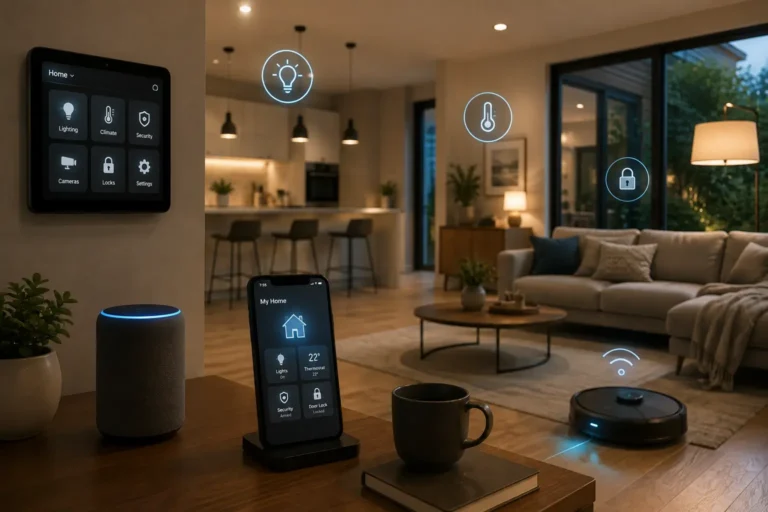
Smart thermostats have become especially popular because they learn household routines and automatically adjust heating to reduce unnecessary energy use.
Older appliances can also consume considerably more electricity than modern alternatives. Replacing ageing kitchen equipment with energy-efficient models often lowers running costs over time.
Many homeowners are also investing in smart home technology to improve efficiency, security and convenience (Internal Link: Article 7), allowing them to monitor heating, lighting and energy use from their smartphones wherever they are.
Improve Your Outdoor Space
First impressions begin before anyone walks through the front door.
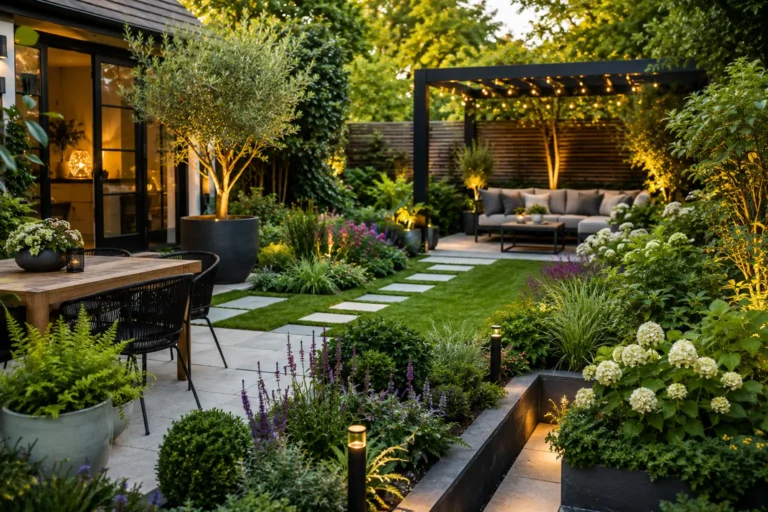
Simple improvements to gardens, patios and driveways often make a property feel far more attractive while creating additional living space during warmer months.
Pressure washing paths, repainting fences, maintaining lawns and planting seasonal flowers can dramatically improve kerb appeal for relatively little expense.
Outdoor seating areas have become increasingly desirable. Even compact gardens can accommodate attractive dining spaces or comfortable seating areas where families can relax or entertain guests.
Solar garden lighting adds both atmosphere and practicality while avoiding additional electricity costs.
Homeowners who maintain attractive outdoor spaces often discover they’re inspired to explore more of Britain’s countryside and gardens, particularly during short UK breaks and staycations (Internal Link: Article 5).
Focus on Improvements That Last
The most successful home improvements aren’t always the most expensive.
Rather than following short-lived interior trends, focus on upgrades that improve comfort, efficiency and practicality for many years to come.
Regular maintenance should remain a priority. Cleaning gutters, repainting exterior woodwork, servicing boilers and repairing minor problems before they become major ones often saves considerable money in the long run.
Consistency also matters. Updating an entire property gradually often produces better results than creating one luxury room while leaving the remainder of the house looking tired.
Technology will continue evolving, but comfortable living, efficient use of space and sensible maintenance never go out of fashion.
Ultimately, improving your home should be about making everyday life better rather than simply increasing resale value. When thoughtful upgrades improve both lifestyle and practicality, they almost always become worthwhile investments regardless of future property prices.
By choosing projects carefully, working within a realistic budget and prioritising long-term quality, homeowners can create attractive, efficient homes that remain enjoyable for many years while protecting one of their biggest financial investments.