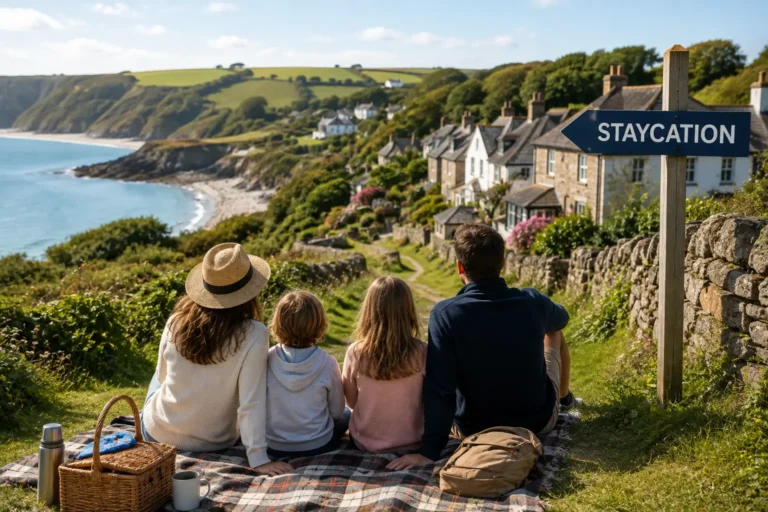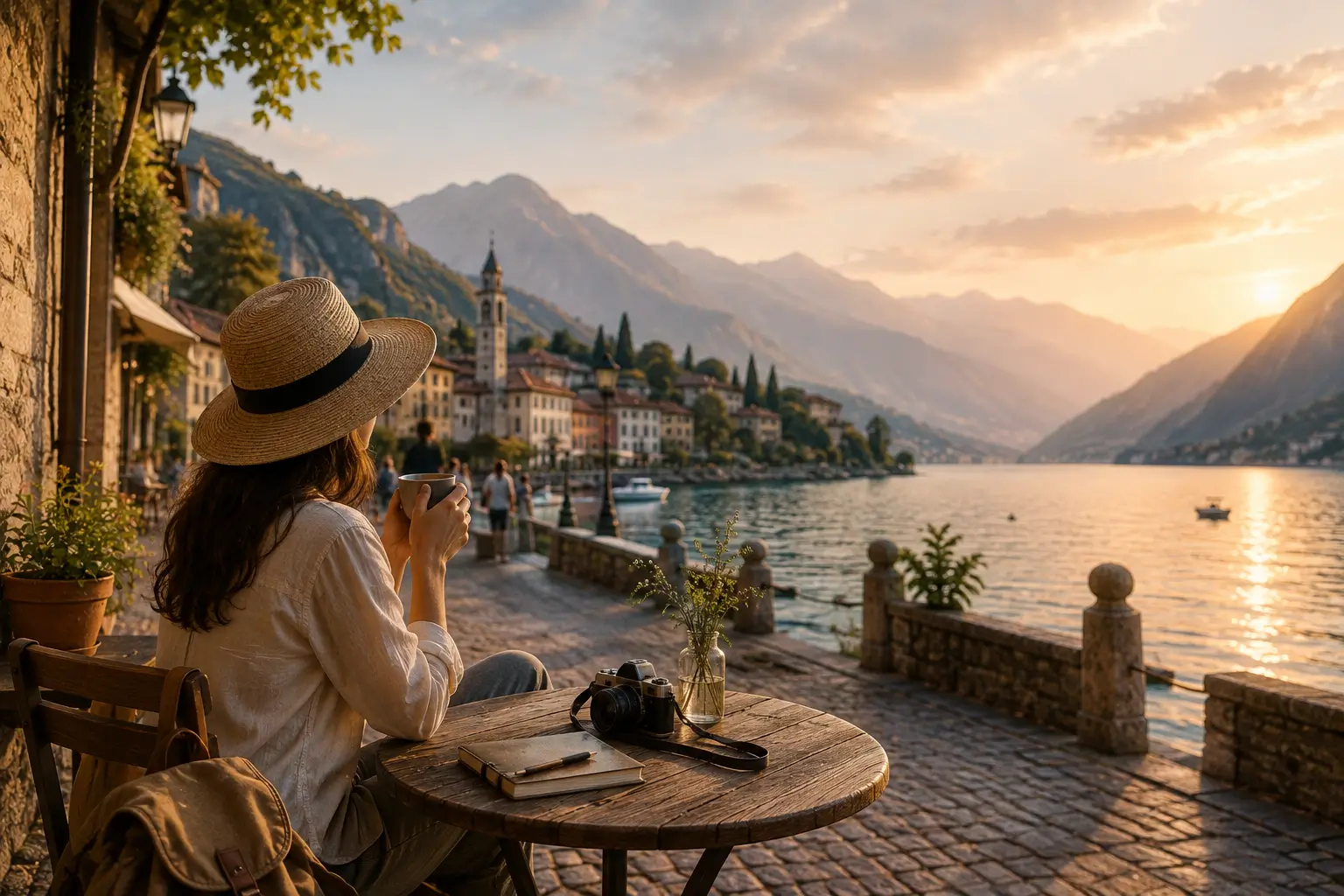
Travelling is no longer simply about ticking famous landmarks off a list. Increasingly, people are choosing to slow down, spend longer in fewer places and experience destinations in a more meaningful way. This growing trend, known as slow travel, encourages visitors to immerse themselves in local culture rather than rushing from one attraction to the next.
The appeal is easy to understand. Modern life often feels fast-paced and demanding, so holidays are becoming an opportunity to disconnect, relax and enjoy simpler experiences. Whether exploring a coastal village, walking through a national park or spending a week in a countryside cottage, slow travel allows people to appreciate places they might otherwise overlook.
For many travellers, the journey itself has become just as important as the destination.
Quality Over Quantity
Rather than trying to visit several destinations in one trip, slow travellers prefer spending more time in one location.
This creates opportunities to discover local cafés, independent shops, walking routes and hidden attractions that many visitors never see.
Taking time also reduces travel stress, allowing holidays to feel genuinely relaxing rather than tightly scheduled.
Many people who enjoy UK staycations naturally adopt this slower style of travel because shorter journeys allow more time to enjoy the destination itself.
Supporting Local Businesses
One of the biggest advantages of slow travel is its positive impact on local communities.
Visitors staying longer often spend more with local restaurants, independent retailers, accommodation providers and visitor attractions.
This helps support regional economies while encouraging more sustainable tourism.
Travellers also gain a more authentic understanding of local culture by interacting with residents and exploring beyond the usual tourist hotspots.
A More Sustainable Way to Explore
Environmental concerns are influencing travel decisions more than ever.
Choosing fewer flights, travelling shorter distances and exploring destinations on foot or by bicycle all help reduce environmental impact.
Many slow travellers also appreciate nature, gardens and outdoor spaces, often finding inspiration from garden trends transforming UK homes and bringing new ideas back to their own properties.
Combining travel with sustainability allows holidays to become both enjoyable and environmentally responsible.
Making Better Memories
Some of the most memorable travel experiences are often the simplest.
Watching a sunset over the coast, discovering a quiet woodland walk or chatting with local business owners often creates stronger memories than rushing through crowded attractions.
Photography, food, wildlife and local history all become more enjoyable when there is time to appreciate them properly.
Instead of returning home exhausted, slow travellers often come back feeling refreshed and inspired.
Looking Ahead
Slow travel is more than a passing trend.
As people continue prioritising wellbeing, sustainability and authentic experiences, this approach to exploring new places is likely to become even more popular.
Rather than asking how many places they can visit, travellers are increasingly asking how deeply they can experience one destination.
By slowing down, embracing local culture and enjoying the journey itself, holidays become richer, more rewarding and far less stressful.